
|
|
Treatment/Services
|
| |
|
|
About Butler
|
| |
|
|
Clinical Trials/Research
|
| |
|
 |
 |
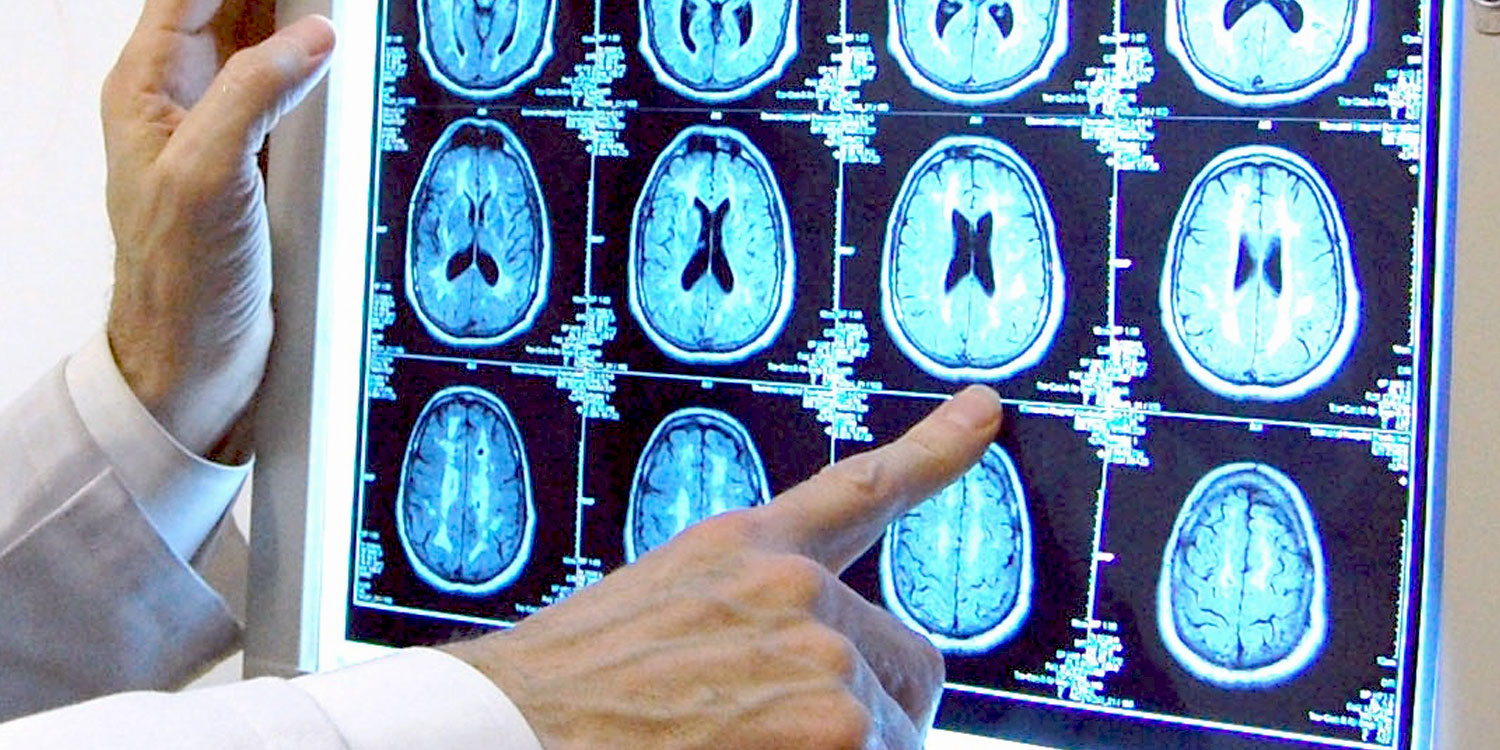
Research at Butler Hospital Affiliated with the Alpert Medical School of Brown University, Butler Hospital’s clinical research trials provide valuable information on brain-based diseases. Through our research, new treatments are being discovered for diseases including depression and anxiety, obsessive-compulsive disorder (OCD), Alzheimer’s disease, Movement Disorders, such as Parkinson’s disease, and addictions. As a result, people with these life-altering illnesses are finding relief and helping develop innovative treatments. Search all research |
|
 |
Mood Disorders
Butler researchers have been developing better treatments for depression for over 25 years. Two such treatments, vagus nerve stimulation (VNS), and transcranial magnetic stimulation (TMS) recently earned approval from the Federal Food and Drug Administration.
View current research for depression, anxiety and other mood disorders
|
Obsessive-Compulsive Disorder
Butler was one of few hospitals in the country to conduct research using deep brain stimulation (DBS) to treat OCD. DBS for the treatment of OCD just received the Federal Food and Drug Administration’s approval in 2008. OCD Researchers at Butler are also testing the effectiveness of aerobic exercise versus health and wellness education programs to reduce OCD symptoms through Project HOPE.
View current research for Obsessive-Compulsive Disorder
|
Alzheimer's Disease and Memory Disorders
Research at Butler Hospital is helping to identify the causes of Alzheimer’s disease and other disorders that affect memory, such as Normal Pressure Hydrocephalus (NPH). This research is leading to the discovery of new treatments that will limit the progression of these illnesses, as well as prevent onset.
Read about the latest in Butler's Memory & Aging Program research.
View current research for Alzheimer’s Disease and other memory disorders
|
Parkinson’s Disease and Other Movement Disorders
Research is a major component of Butler Hospital’s Movements Disorders Program. In addition to researching the sensory motor symptoms, the behavioral aspects of Parkinson's disease, such as the depression, apathy and fatigue are being studied through multicenter trials sponsored by the National Institutes of Health and the Michael J. Fox Foundation.
View current Movement Disorders research at Butler
|
Addictions
Recognizing that each person responds differently to different types of treatment, the addictions researchers at Butler are looking at various ways of treating alcohol, nicotine, and drug dependence.
Through exercise studies and new medications and behavioral studies, the addictions research experts are discovering new ways to help people recover from substance abuse.
View current research for addictions (nicotine, opiate, alcohol addiction)
|
Other Research at Butler Hospital
From studying postpartum depression in women and how heart disease affects the brain, to researching how to prevent mental illness by improving family communication, Butler’s psychosocial researchers are studying all aspects of how the body and our social environment affects mental health.
Researchers are also investigating the biogenetic markers that can prevent and cause diseases of the brain and general medicine research studies like Project HEAT for high-risk behaviors.
View other research studies at Butler Hospital |
|
| To learn more about the research being conducted at Butler Hospital, please call 401-455-6220 or 1-800-433-6888 (in RI) or 1-800-272-9699 (outside of RI). |
| Butler Hospital Researchers |
| OCD Robbed Mario of Freedom |
| The rituals caused by Mario's OCD consumed his ability to be with his family, pursue his college studies, and to enjoy living, until new research on Deep Brain Stimulation gave him his freedom again. Read Mario's story |
| Research Helps Fight Depression |
| With the help of a research study at Butler Hospital, Pat was able to combate her life-long battle with depression. Read Pat's story |
| Cutting-edge brain science helping to improve people's lives is taking place every day at Butler Hospital. Video Overview |
|
|